


Breast Screening & Breast Awareness
Looking after your breast health starts with awareness.
Breast screening is an important part of preventive health care. Knowing when to attend screening, understanding your family history and recognising changes in your breasts can help you take an active role in your health.
This page brings together trusted Australian resources to help you understand breast screening, know what to look out for and find support when you need it.
What is a breast screen?
A breast screen, also known as a mammogram, is a low-dose X-ray of the breasts used to look for early signs of breast cancer, sometimes before changes can be seen or felt.
Regular screening can help detect breast cancer at an earlier stage, when treatment may be more effective.
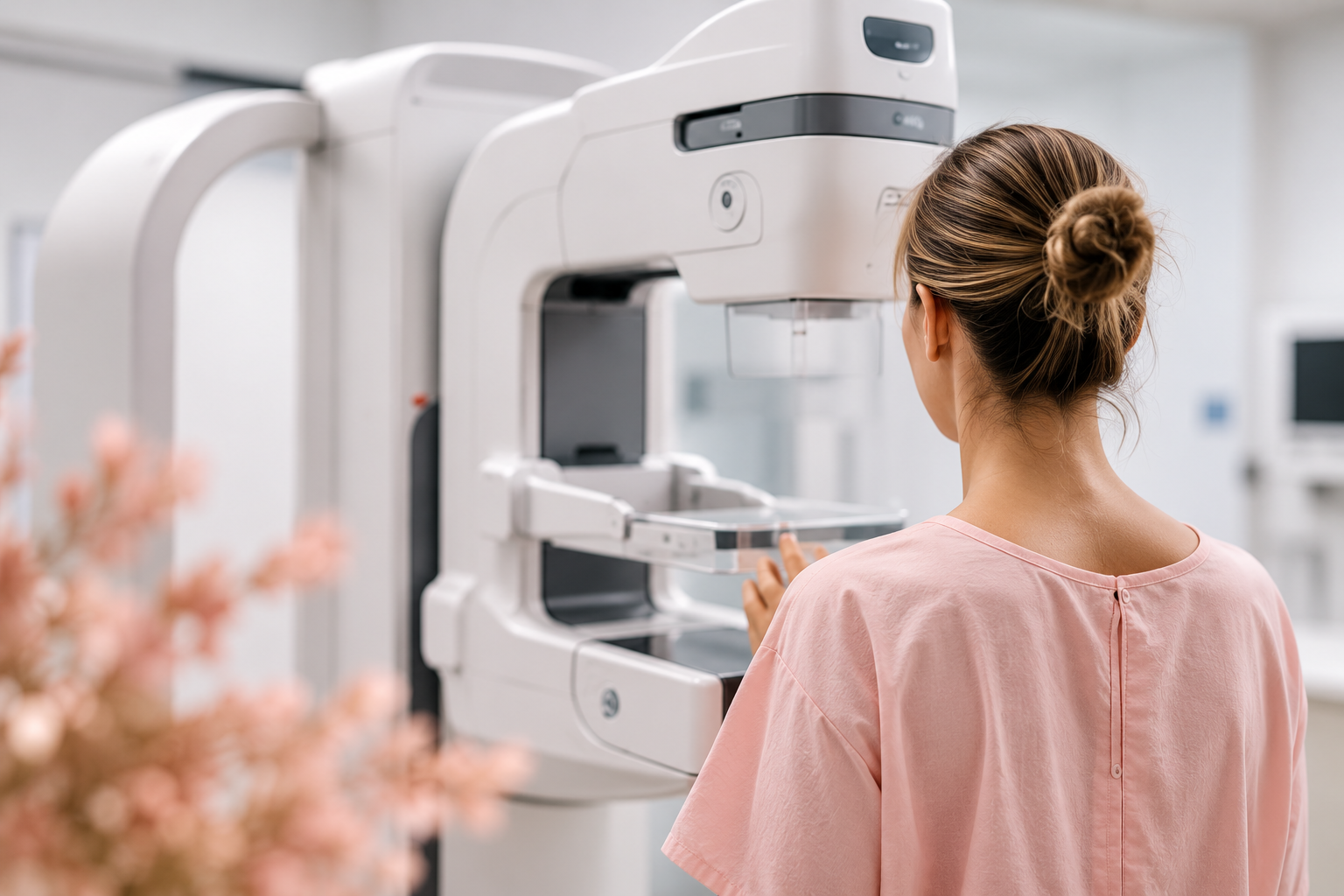
When should I have a breast screen?
In Australia, the BreastScreen Australia program provides free screening mammograms.
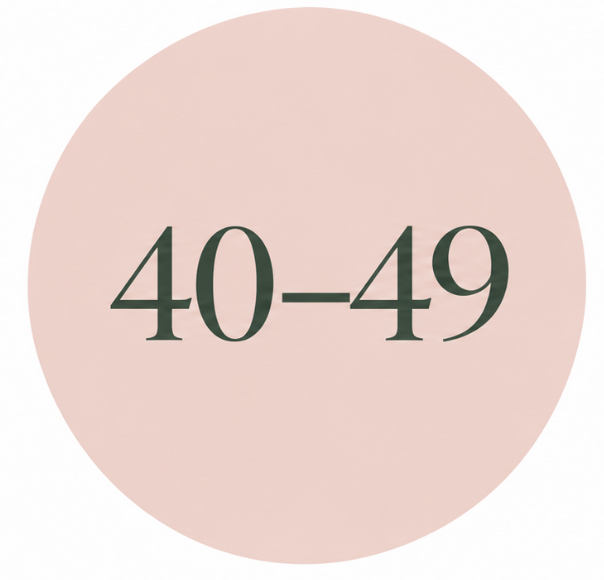
Ages 40–49: Screening is available. Discuss the potential benefits and limitations with your health practitioner.
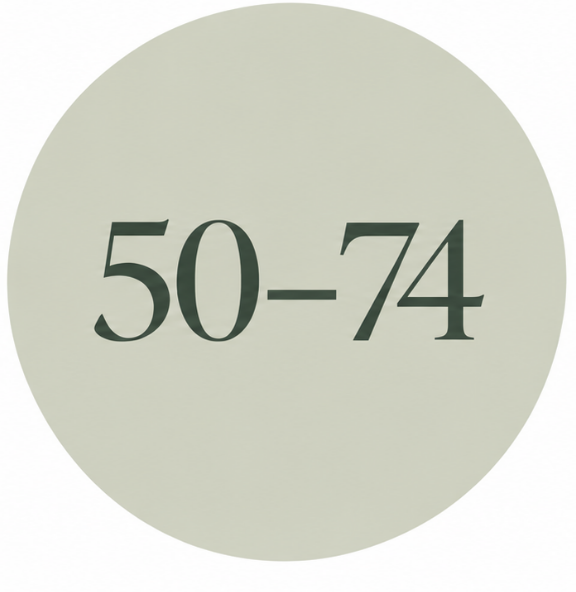
Ages 50–74: Regular screening every two years is recommended for women without breast symptoms.
Age 75 and over: Screening is available, and individual benefits and risks should be discussed with your health practitioner.
Breast Screening for Women Under 40
Routine breast screening through BreastScreen Australia is generally not recommended for women under 40. Younger women tend to have denser breast tissue, which can make it more difficult for a mammogram to identify abnormalities, as both dense tissue and some breast cancers can appear white on the image.
Evidence has also shown that routine screening mammograms have not demonstrated a reduction in breast cancer deaths in this age group.
Important: If you notice a new breast lump, nipple change, unusual discharge or another concerning change, don’t wait until you are eligible for routine screening. Arrange a medical assessment promptly. Women with a strong family history or known increased genetic risk may need an individualised screening plan.